How to Make Your Own Organic Sanitizer for Pennies
If you haven’t heard of hypochlorous acid, it’s about to change your cleaning game the way it changed mine in my bakery. It’s powerful, safe, and approved for organic use in food prep. And the best part? You can make it yourself at home for just pennies.
This DIY sanitizer is essentially a dupe for Force of Nature’s sanitizer system. Force of Nature offers their own electrolyzer and pre-measured vials (which are super convenient), but if you’d like to save money, you can make the same thing with simple ingredients and a small device.
What Is Hypochlorous Acid?
Hypochlorous acid (HOCl) is a naturally occurring substance that our own white blood cells produce to fight infection. As a cleaner, it’s gentle yet effective, making it ideal for bakeries, kitchens, and households that want safe, food-friendly sanitation.
It has been approved for organic use in commercial food preparation. That means it’s safe for both food-contact surfaces and even direct food contact, as long as you stay within the limits:
- Up to 200 ppm for food-contact surfaces
- Up to 60 ppm for direct food contact
(Always check current USDA or FDA guidelines for specifics.)
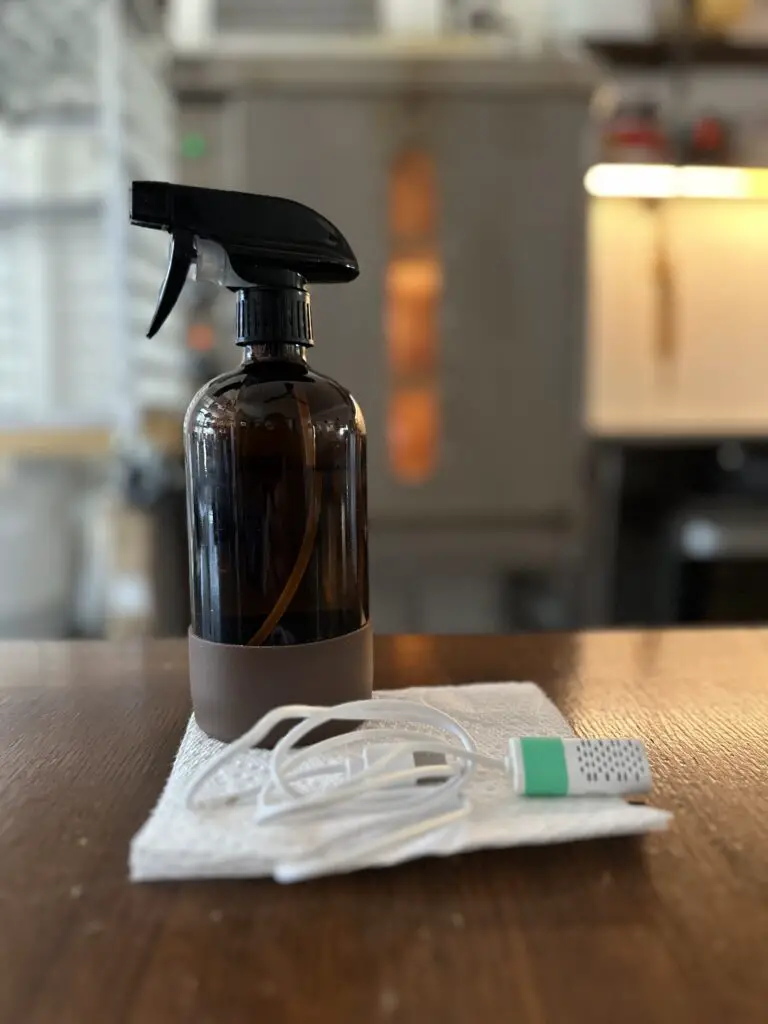
Why Hypochlorous Acid Matters for a Cottage Bakery
Running a home bakery means I need cleaning products that are:
- Safe for food contact: Every mixing bowl, spatula, and proofing basket touches dough and ingredients that go straight to my customers. Hypochlorous acid is approved for surfaces and food contact, giving me peace of mind.
- Affordable: Commercial sanitizers can get expensive, especially if you’re cleaning multiple times a day. My DIY batches cost just pennies.
- Effective but gentle: I don’t want harsh bleach fumes near baked goods—or my family. Hypochlorous acid sanitizes without the irritation.
- Quick and easy: In between bakes, I can spray down counters, utensils, and even packaging areas without worrying about rinsing.
For a small bakery business, this balance of food safety + cost savings is huge. It lets me maintain professional-level sanitation standards without eating into my profits.
Hypochlorous Acid vs. Bleach: What’s the Difference?
This is a common question! While both contain chlorine, they’re very different in strength and application:
- Bleach (sodium hypochlorite) is highly concentrated, corrosive, and unsafe for direct food contact. It has a strong odor and can damage surfaces and skin.
- Hypochlorous acid is much gentler. It’s effective against bacteria, viruses, and mold, but safe enough to use on cutting boards, countertops, and even produce.
Think of hypochlorous acid as the “kinder, gentler cousin” of bleach—just as effective for cleaning, but without the harsh side effects.
Equipment You’ll Need to Make Hypochlorous Acid
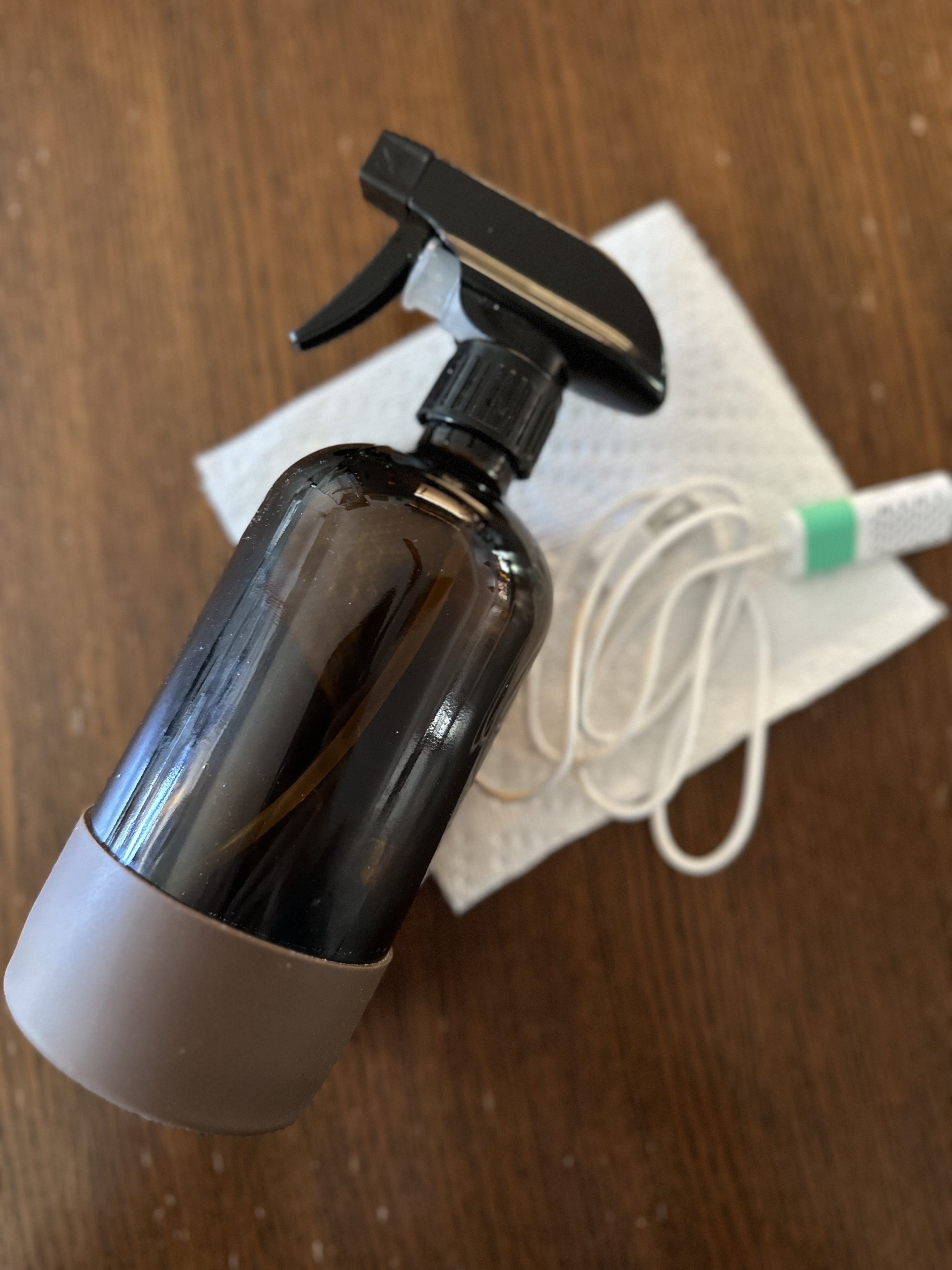
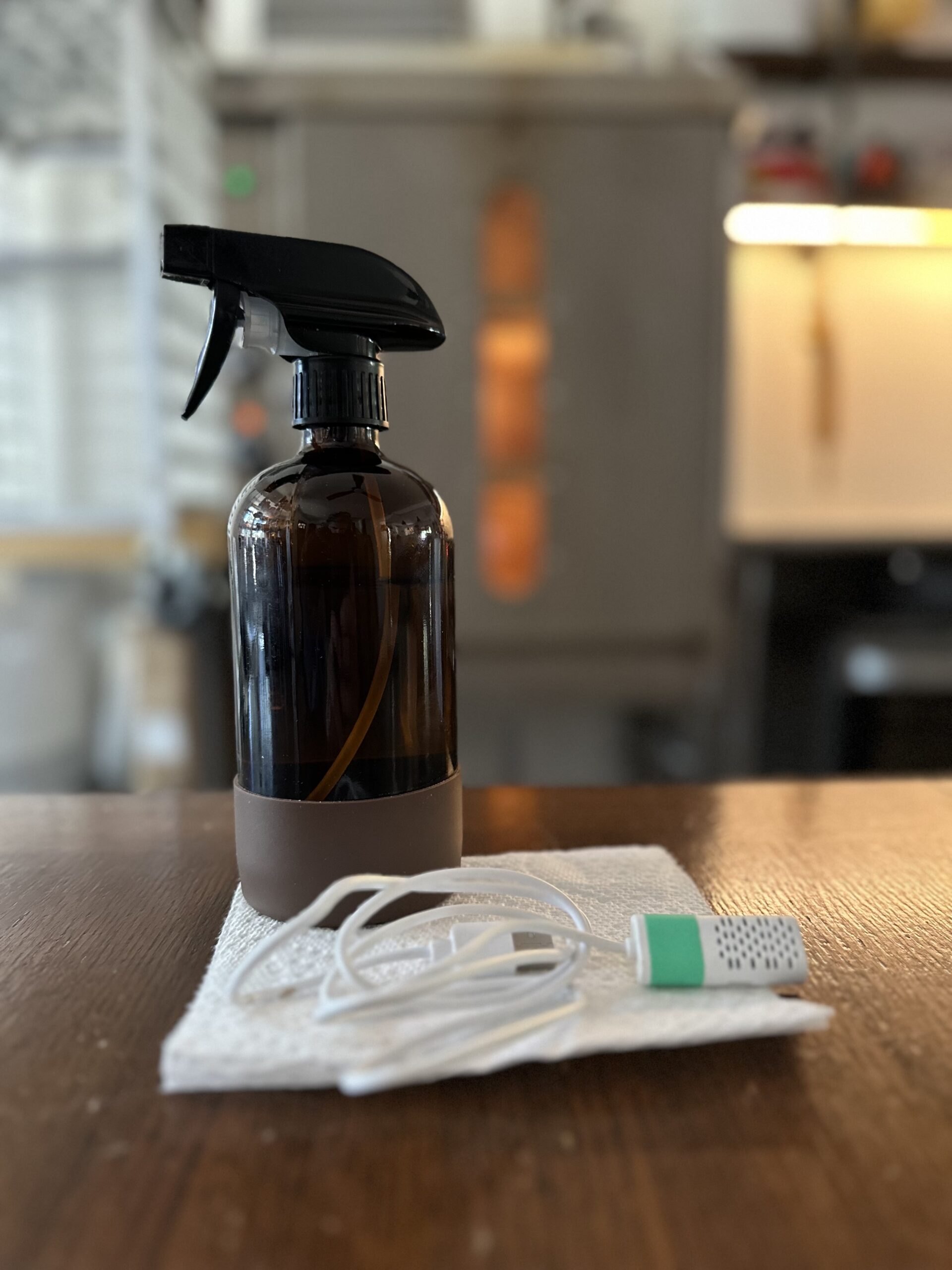
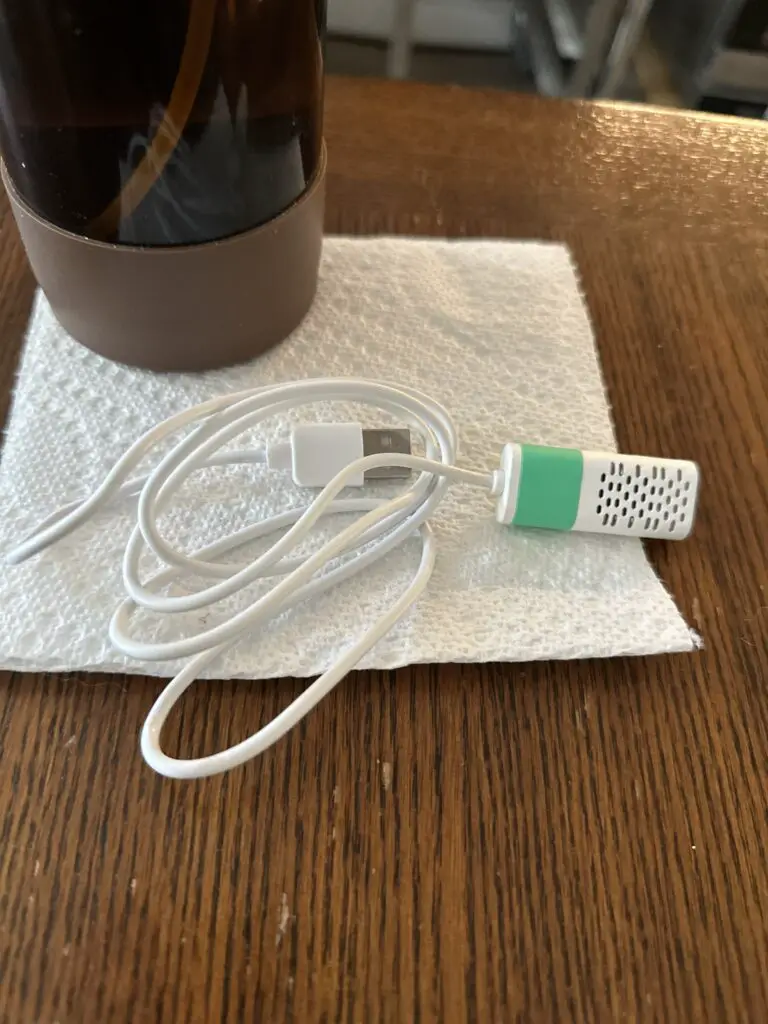
You’ll need to choose an electrolyzer. I have this small one:

You can also choose something like this:

You’ll also need test strips and amber spray bottles to store your solution.


DIY Hypochlorous Acid Recipe
Here’s how to make your own batch at home:
Ingredients
- 1 quart filtered water
- ½ teaspoon non-iodized salt (like sea salt or kosher salt)
- 1 teaspoon distilled white vinegar
- 1 mini electrolyzer (affordable versions are as low as $12)
Instructions
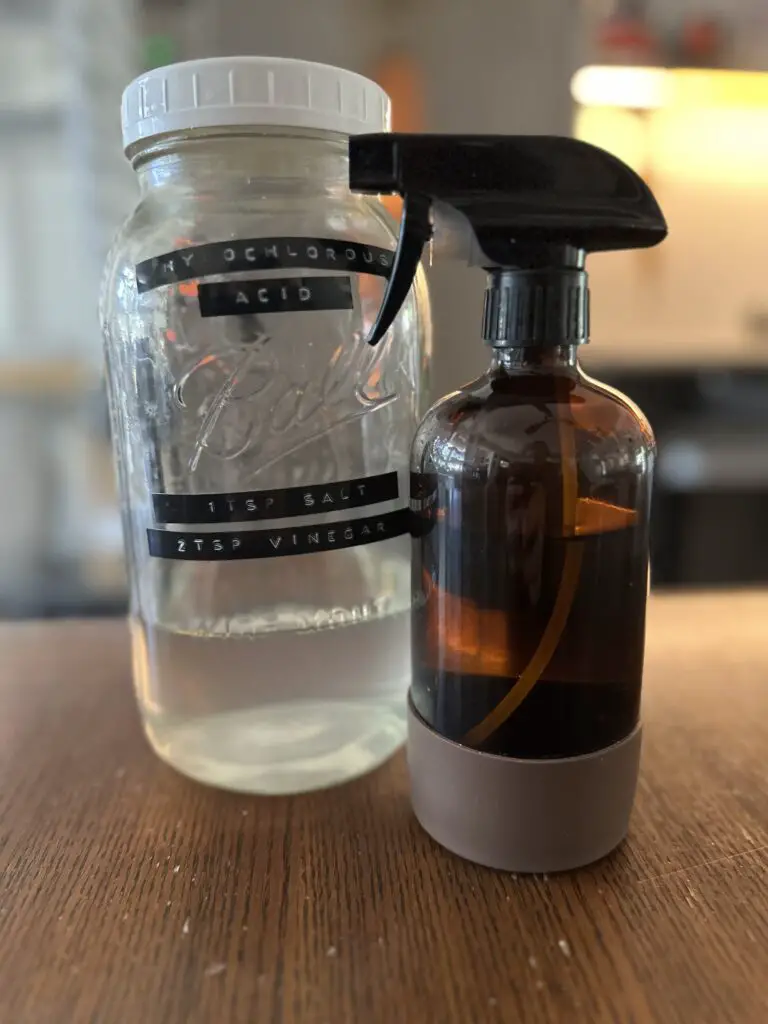
- Add the filtered water, salt, and vinegar to a glass jar or the container that comes with your electrolyzer.
- Stir until the salt is fully dissolved.
- Turn on your electrolyzer and run it for up to two hours, until your desired potency has been reached. Use these test strips to test often. Depending on how big you electrolyzer is it could take 10 minutes or up to two hours for the tiny one I have.
- When finished, pour the liquid into a clean amber spray bottle.
That’s it—you now have fresh hypochlorous acid ready to use!
Tips for Use
- Store in a dark spray bottle to help preserve potency.
- Use within 2–3 weeks for best effectiveness.
- Spray directly on countertops, baking tools, cutting boards, or even produce. No rinse required at the right ppm levels.
Hypochlorous acid is an affordable, effective, and food-safe sanitizer that’s easy to make at home. With just salt, vinegar, water, and a small electrolyzer, you’ll have an organic cleaner for a fraction of the cost of commercial alternatives.